
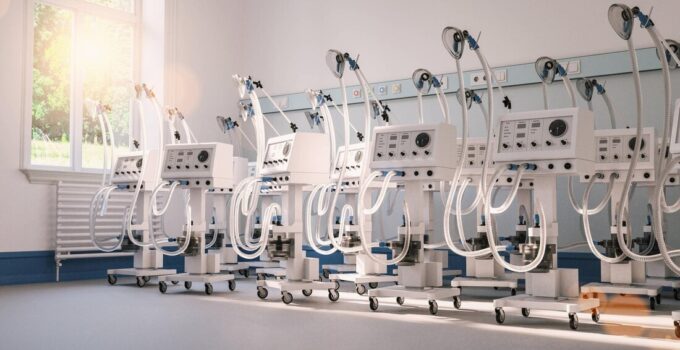
Out of all the markets in liquidation and surplus goods, the healthcare is one to be careful about. While the entire sector continually evolves, leading hospitals and clinics to upgrade technology, consolidate facilities, or manage excess inventory, the process is not all that simple.
This is when most of these hospitals and clinics either have to resell or liquidate their equipment, or rely on specific overstocked one.
This dynamic environment creates opportunities for buyers to acquire high-quality medical equipment and supplies at significantly reduced prices. After all, hospitals want to maximize ROI and finance part of the new upgrades.
For small places and not-so-leading hospitals, relying on surplus medical supply equipment is a good choice, but it requires care and attention in selecting the lots.
Through liquidation sales and surplus lots, everyone wins. With the opportunity to reduce costs and simply focus on acquiring more items for less, there is not really much to say in terms of benefits.
However, you want to go over several considerations when choosing your lots. For instance:
- Considering the conditions of the equipment and goods.
- The brands and where medical supply come from.
- The time they were used.
- Real value and if it is worth the price, even if it implies discounts.
Types of Liquidation Sales for Medical Supplies
Not all sales are good sales. Reputable places and top brands often conduct their own sales. Since they want to move inventory or overstock items fast, they try to handle their own operations. However, this still takes time.
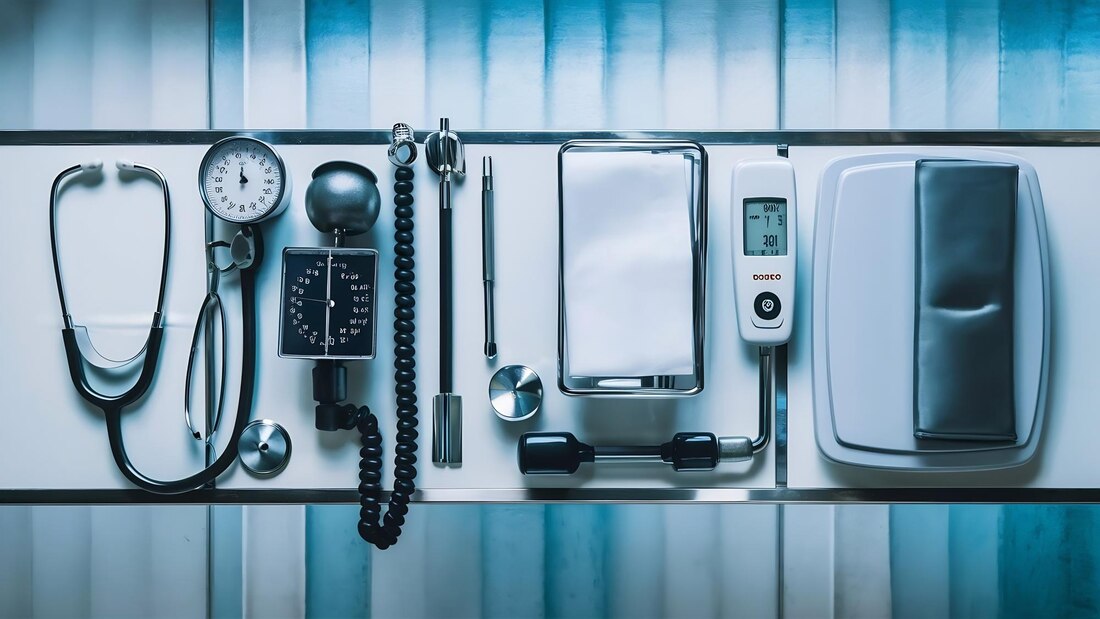
You have to worry about the pallets, what they include, and why the items are being sold. “Why?” is quite crucial when choosing liquidation lots for hospital equipment or any type of healthcare product.
Our recommendation is focusing on these three sales:
- Distressed Sales. Assets sold quickly due to financial difficulties or bankruptcy, often at deep discounts.
- Wholesale Liquidation. Bulk lots of supplies or equipment, ideal for clinics, resellers, or organizations outfitting multiple locations.
- Online Auctions. Platforms where buyers can bid on surplus hospital equipment and supplies, often including both new and used items. The benefit is that you can see the condition of the equipment in detail. This includes whether they are used or not, and pictures of the pieces.
Key Considerations When Purchasing Surplus Lots
Regardless of the specific sale you choose or whether you are a reseller or buyer, keep in mind these considerations to make your investment worthwhile:
| Feature | Importance |
| Condition (New/Used) | Affects longevity, warranty, and compliance |
| Compatibility | Ensures fit with existing systems and workflows |
| Brand & Model | Impacts reliability, support, and resale value |
| Quantity & Variety | Matches the scale and scope of your requirements |
| Return Policy/Warranty | Provides buyer protection and peace of mind |
The Broader Impact: Eco-Friendly Solutions
Medical supply surplus is a common source of waste in the healthcare system. More than being a recurring waste source, it is one of the main sources. This is led by billions of dollars in usable supplies discarded annually.
Liquidation and redistribution not only save money but also support sustainability and global health by reducing waste. Also, by enabling access to essential equipment in underserved areas.
Following this circular economy and bringing more repurpose than discarding items offers a new perspective. For resellers, this gives them an advantage in cost savings and how they are able to resell their products.
According to the Green Living Blog, resellers who rely on surplus cut about 25% in investment and regular expenses. Moreover, it gives them an advantage when connecting with more customers.
Feel free to contact us at Coastal Surplus Solutions if you need support with the approach. We will be there to guide the connection and have you got the best pallets for hospital equipment.