
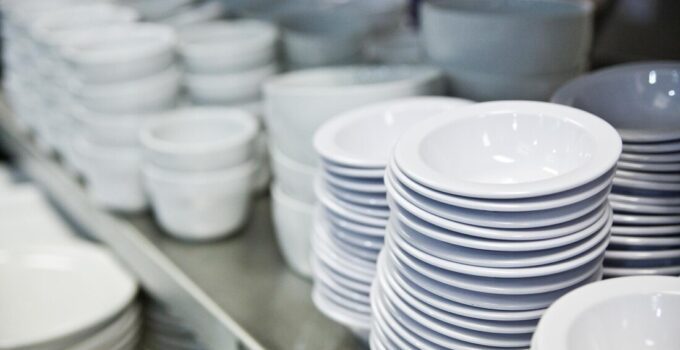
Plate, utensils, and cutlery for restaurants are all needed in terms of quality and comfort. While they are not replaced as often depending on the place, having a steady supply makes the difference.
This supply is what takes several resources among restaurants and specific food services. After all, you have to be careful with costs and how they are handled. For the most part, servers end up spending a great deal of their budget due to lacking enough items or a good supply that is affordable and high-quality simultaneously.
In today’s market, the best approach that restaurants and food services have adopted includes food service liquidation. It involves selling surplus or excess inventory of plates, utensils, and restaurant supplies. This often takes place because of restaurant closures, remodels, or overstock situations.
This process helps businesses convert unused assets into cash, clear storage space, and streamline operations while offering buyers access to quality products at reduced prices.
Hence, it is a process that benefits several parties at once:
- Restaurants and previous owners of the possible surplus items. After all, they get to obtain some money and ROI from the items.
- Buyers and other servers and restaurants are able to connect with high-quality, low-cost items. This saves them a lot in investment and brings the steady supply needed.
Take the time to discover how food service liquidation pallets can benefit your business. Or how you, as a reseller, can maximize profits thanks to this opportunity.
What to Look for in Food Service Liquidation Lots
Not all lots are valuable.
Since they come with a mix of items and a variety of categories within the market, you need to keep an eye on the manifests.
Does the pallet include what you need? What about quality and brands? Or what about the condition of the plates, utensils, and all the items?

Not only do they come in a wide variety and mix but also in different conditions. They can be overstocked items, particular returns, or even refurbished if it involves equipment. Hence, consider the variables and how you need to search for items:
- Dinnerware. Plates, bowls, serving platters, and specialty dishware.
- Flatware and Utensils. Forks, knives, spoons, serving tools, and specialty utensils.
- Glassware. Drinking glasses, wine glasses, and specialty beverage ware.
- Kitchen Tools and Gadgets. Measuring cups, tongs, peelers, and other small ware.
- Disposable Supplies. Napkins, takeout containers, and disposable cutlery.
- Other Restaurant Supplies. Linens, trays, condiment dispensers, and storage containers.
Considerations When Purchasing Liquidated Supplies
When trying to connect with your liquidation pallets, there are several factors that can help you determine what is a good investment and what isn’t.
According to FasterCapital, you want to worry about the suppliers’ reputation and how they have provided good pallets to others.
Of course, there is more to it that the basics around this. As professional sourcing partners, we have considered all possible variables, including:
- Product Condition. Verify items are new or gently used, with intact packaging to ensure hygiene and presentation standards.
- Compatibility. Ensure supplies meet your restaurant’s style, capacity, and service requirements.
- Storage and Handling. Bulk lots require adequate storage space and proper handling to maintain product quality.
- Supplier Reputation. Work with reputable liquidation companies or auction platforms to ensure fair pricing and transparent transactions.
Feel free to contact us at Coastal Surplus Solutions to leverage food service liquidation. We can source the pallets, negotiate them for you, and work through the process.
This will help with cost reductions and bring a benefit around high-quality items.